The Effects of In-Game Purchases on Player Retention in Roblox
Understanding In-Game Purchases
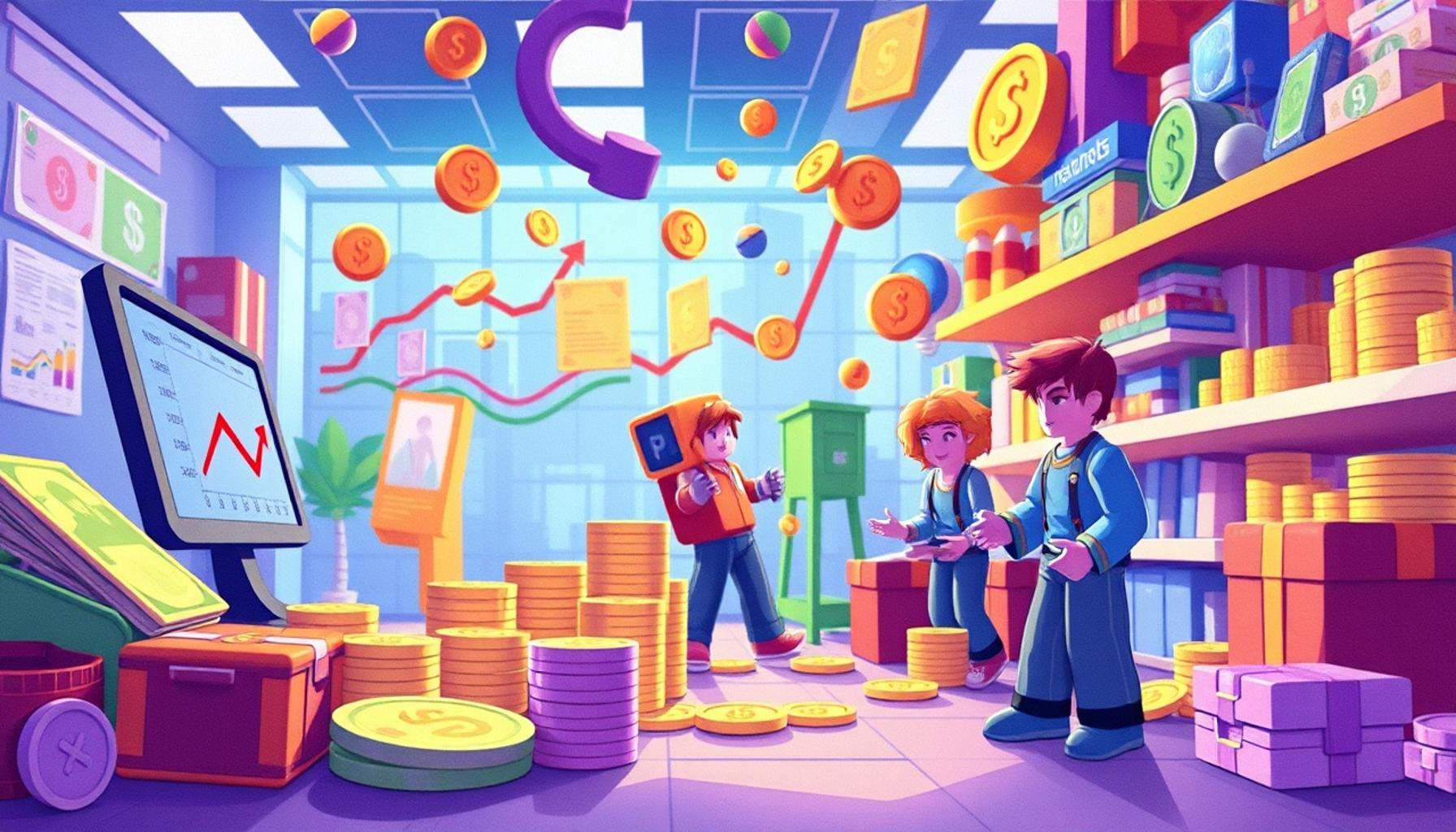
In-game purchases have become a common feature in many online games, especially on platforms like Roblox. These purchases allow players to buy virtual items, upgrades, or special abilities using real money or in-game currency. As players immerse themselves in the gaming experience, these purchases raise important questions about their impact on player retention.
How In-Game Purchases Influence Engagement
Roblox offers a unique ecosystem where creativity and engagement flourish. In-game purchases can significantly enhance this experience in several ways:
- Customization: One of the most appealing aspects of Roblox is the ability for players to personalize their avatars and environments. Players can buy outfits, accessories, and even unique animations that reflect their personal style. For instance, purchasing a rare superhero costume or a cute pet can make a player feel special and more connected to their character.
- Progression: In many games, especially competitive ones, strategic purchases can aid in achieving goals more efficiently. For example, a player may choose to buy speed boosts or exclusive tools that allow them to progress through challenging levels faster. This feeling of advancement can keep players engaged, as they often seek to improve and achieve higher rankings.
- Community Interaction: Many purchases not only enrich the individual player experience but also encourage interaction with friends and other players. Some items may be designed specifically for multiplayer gameplay, thereby fostering teamwork and collaboration. For instance, buying a special game pass that allows players to access exclusive game modes can promote group play, enhancing the social aspect of Roblox.
While these elements can enhance the gaming experience, they also introduce challenges for developers and players alike. Developers must tread thoughtfully between providing valuable content and ensuring that purchases do not create an unbalanced playing field. For players, there is the risk of feeling pressure to spend money to stay competitive or to enjoy the game fully.
Understanding the relationship between in-game purchases and player retention is vital for creating sustainable gaming environments. For example, a game that offers exciting, optional purchases at reasonable prices can cultivate a loyal player base, while those that overemphasize costs may drive away potential long-term players. This article aims to explore in greater detail how these purchases impact player commitment and long-term enjoyment of Roblox games, creating a balanced gaming experience that is both engaging and rewarding.
CHECK OUT: Click here to explore more
Impact of In-Game Purchases on Player Motivation
Understanding how in-game purchases affect player motivation is essential for grasping their role in player retention. In overall gaming dynamics, motivation can be a simple yet powerful driving force that keeps players engaged over the long term. In Roblox, players often perceive in-game purchases as not just spending but investing in their gaming journey. This mindset can have significant implications for their ongoing commitment to the platform.
The Psychological Appeal of Purchases
In-game purchases on Roblox are often designed to tap into various psychological factors that enhance motivation. Some of the most important aspects include:
- Sense of Ownership: Players who buy virtual items develop a stronger sense of ownership over their experiences. When users spend money on unique characters, accessories, or game passes, they may feel a deeper emotional investment in the game. This sense of ownership can lead to longer play sessions and increased likelihood of returning to the game.
- Achievement and Status: In competitive environments, players often want to showcase their achievements. By purchasing rare or exclusive items, players can signal their status within the community. This not only boosts their self-esteem but can also motivate them to keep playing to maintain or enhance that status.
- Reward Mechanics: Game developers often incorporate reward systems tied to in-game purchases. For example, completing tasks or leveling up can unlock potential discounts or special offers on items. This creates an engaging feedback loop where players are incentivized to continue playing not just for enjoyment but also to receive tangible rewards.
These psychological incentives work together to form a compelling reason for players to not only purchase items but also to remain active within the gaming ecosystem. When players feel valued or rewarded for their involvement, they are less likely to abandon the game. This creates a cycle where increased satisfaction leads to higher retention rates.
However, it is important to note that while in-game purchases can be enticing, they also require careful consideration to avoid issues like player burnout or financial strain. Developers need to balance the monetization strategy by ensuring that in-game purchases are genuinely enhancing the experience rather than detracting from it. In a healthy gaming environment, purchases should feel like an enhancement and not an obligation.
As we delve further into how these purchases affect player retention in Roblox, it is crucial to examine the various strategies that impact user experiences. Understanding the dynamics at play will not only benefit game developers but also empower players to make informed decisions about their purchases, ultimately leading to a richer and more enjoyable gaming landscape.
SEE ALSO: Click here to read another article
Strategies for Effective In-Game Monetization
As developers design their games on the Roblox platform, implementing effective strategies for in-game purchases can significantly influence player retention. Understanding the nuances of player behavior and preferences allows developers to create rewarding experiences that encourage ongoing engagement. Below, we explore some strategies that effectively harness in-game purchases for improved player retention.
Tiered Pricing Models
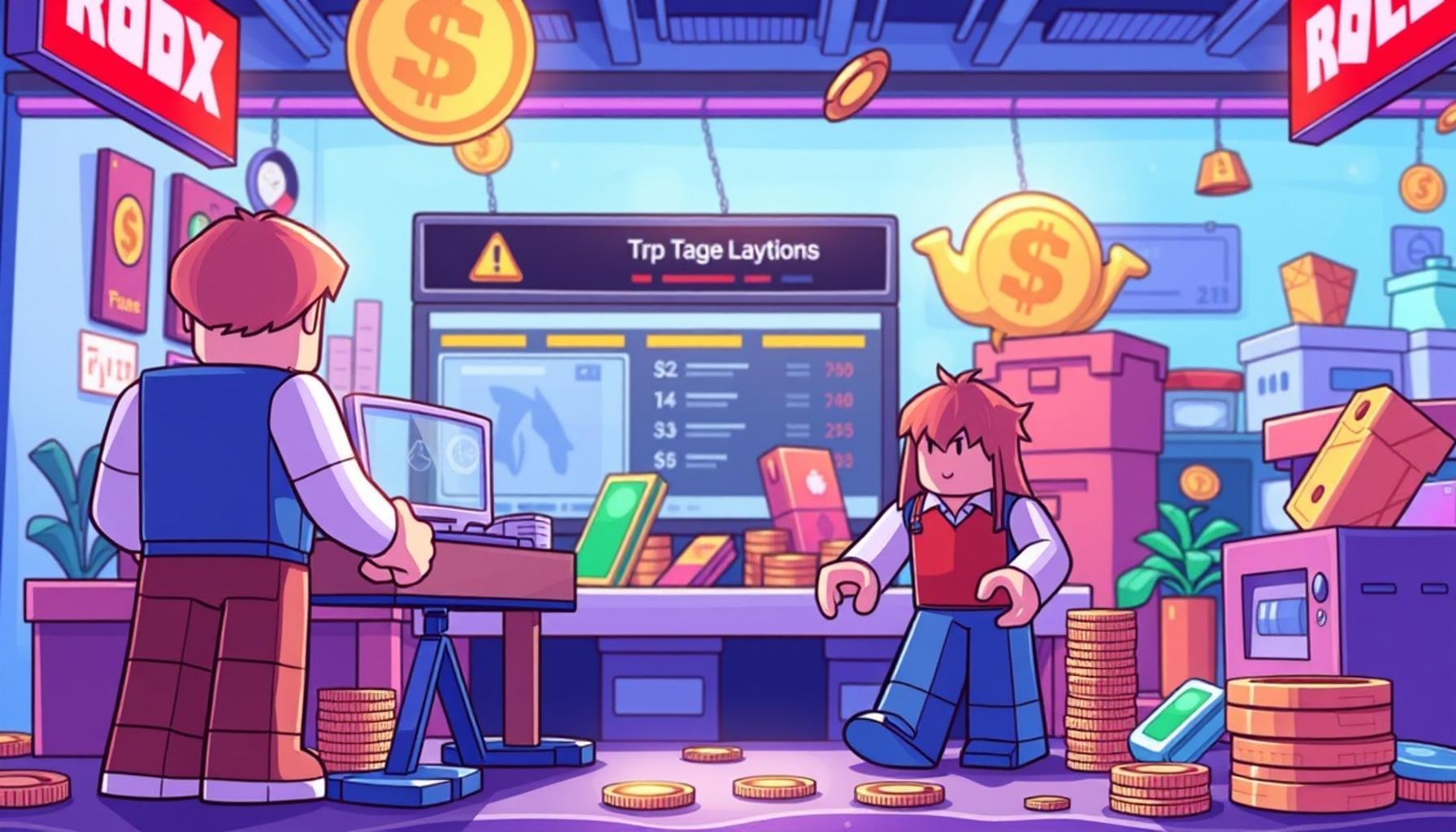
Tiered pricing models allow players to choose the level of investment they are comfortable with. By offering items across a range of prices—such as low-cost accessories, mid-tier game passes, and exclusive high-end characters—developers can cater to different player demographics. For example, a player might not be ready to spend $20 on a premium character, but they may happily purchase a $2 item to enhance their gameplay experience. This approach not only increases accessibility but also encourages players to consider larger purchases as they grow more invested in the game.
Exclusive Limited-Time Offers
Creating a sense of urgency through exclusive limited-time offers can drive players to make purchases they might otherwise postpone. For instance, if a developer runs a special weekend event where certain items are available only for a limited time, players may feel compelled to buy them right away. This strategy taps into the consumer psychology of scarcity, where the fear of missing out (FOMO) prompts players to act quickly. The thrill of acquiring rare items can enhance their commitment to the game, as they want to showcase their unique acquisitions to others.
Community Engagement and Player Feedback
Incorporating community input can result in more meaningful in-game purchases. By actively engaging with players through polls and discussions, developers can better understand what types of items or features their community desires. For example, if a majority of players express interest in a specific type of skin for characters, developers can prioritize creating and monetizing that content. This not only strengthens community ties but also ensures that purchases are relevant and appealing to players, further fostering retention.
Cosmetic Customization Over Pay-to-Win Mechanics
One significant factor influencing player retention in Roblox is the distinction between cosmetic purchases and pay-to-win mechanics. Players generally prefer to invest in aesthetic enhancements that allow them to personalize their gaming experience rather than advantages that give unfair benefits. Games that offer a range of customization options—such as clothing, hairstyles, or unique animations—encourage players to spend money without feeling pressured to gain a competitive edge. By prioritizing cosmetic options, developers create an environment where players perceive the investment as enhancing their enjoyment rather than as a necessity for success.
Encouraging Social Interactions
Encouraging players to share their in-game purchases on social media and within their gaming community can amplify retention rates. Players often find validation and enjoyment in showcasing their virtual items to friends and followers. This social sharing can serve as an organic form of marketing, where friends are motivated to join the game, thus expanding the player base. Furthermore, social interactions can be enhanced through cooperative gameplay, where players can team up to showcase their purchased items or to experience exclusive events together.
These strategies, combined with a thoughtful approach to in-game purchases, can create a vibrant and engaging gaming experience on Roblox. Developers who prioritize player needs, psychological appeal, and community involvement are able to maintain player engagement and boost retention, resulting in a healthier and more sustainable gaming ecosystem.
SEE ALSO: Click here to read another article
Conclusion
In summary, the effects of in-game purchases on player retention in Roblox are multifaceted and deeply intertwined with players’ experiences and preferences. By implementing approaches such as tiered pricing models and exclusive limited-time offers, developers can create an inviting environment where players feel both valued and motivated to engage. The balance between offering cosmetic customization and avoiding pay-to-win mechanics is crucial, as players are more inclined to invest in features that enhance their gaming experience rather than those that create inequities.
The importance of community engagement cannot be overstated. Actively involving players in discussions and seeking feedback can lead to an enriched gaming ecosystem that reflects their desires and interests. This approach ultimately nurtures a sense of belonging and loyalty within the community, further enhancing retention rates. Additionally, encouraging social interactions through shared experiences can amplify this growth, as the network effect draws new players into the game.
Ultimately, the interplay between in-game purchases and player retention hinges on a developer’s ability to create a gratifying and fair gaming experience. By prioritizing players’ needs, developers can foster a thriving ecosystem within Roblox that not only sustains their current player base but also attracts new users. As the gaming landscape continues to evolve, focusing on these principles will be essential for long-term success in retaining and engaging players.

Linda Carter
Linda Carter is a writer and gaming enthusiast specializing in Roblox, online games, and virtual experiences. With extensive experience helping players discover new features, improve their gameplay, and make the most of the platform, Linda shares her knowledge on our platform. Her goal is to empower readers with practical tips, useful strategies, and up-to-date insights to enhance their Roblox experience.