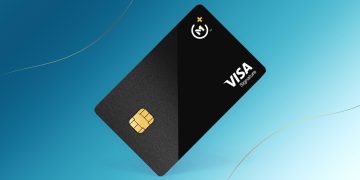
How to Apply for M1 Owners Rewards Credit Card Easy Steps
Unlock financial efficiency with the M1 Owner's Rewards Credit Card. Enjoy up to 10% cash back on eligible purchases, seamless integration with investment accounts, and no annual fee. Benefit from advanced security for peace of mind, making everyday spending contribute to your long-term financial goals.

How to Adjust Your Personal Budget in Times of Economic Uncertainty
Adapting your personal budget during economic uncertainty is crucial for financial stability. Key strategies include prioritizing essential expenses, evaluating discretionary spending, adjusting income projections, and building an emergency fund. By employing these proactive measures, individuals can enhance their financial resilience and effectively navigate challenging economic conditions.

How to Create a Personal Budget that Works: Step-by-Step for Beginners
Creating a personal budget is essential for financial management. This step-by-step guide for beginners emphasizes assessing income and expenses, choosing suitable budgeting methods like the 50/30/20 rule and zero-based budgeting, and leveraging apps for tracking. By prioritizing savings and maintaining flexibility, individuals can achieve financial well-being.

The Importance of Family Budgeting: Tips for Involving All Members in Financial Management
Family budgeting plays a vital role in promoting financial stability and literacy within households. Involving all family members fosters collaboration, accountability, and open communication about finances. Practical strategies, such as goal-setting and interactive discussions, enhance understanding and encourage shared responsibility for collective financial health, preparing future generations for successful money management.

Digital Tools That Can Facilitate Your Personal Budget
Discover how digital tools revolutionize personal budgeting, offering automation, real-time tracking, and goal-setting features. Learn about popular apps that enhance financial discipline and accessibility, empowering users to manage their expenses effectively and achieve long-term financial stability through informed decision-making and mindful spending habits.

The Role of Technology in Financial Risk Management: Tools and Emerging Trends
Technology is revolutionizing financial risk management through tools like data analytics, AI, and blockchain. These innovations enhance risk assessment, ensure compliance, and improve cybersecurity. As financial institutions navigate complexities, adapting to emerging trends like cloud computing and RegTech becomes essential for resilience and operational efficiency in today's dynamic landscape.

The Most Common Mistakes When Making a Budget and How to Avoid Them
Creating a budget is essential for financial health, yet common mistakes like underestimating expenses, neglecting tracking, and failing to set clear goals can hinder success. By recognizing these errors and adopting practical strategies, individuals can improve their budgeting practices and enhance their financial stability.

The Importance of Diversification: Strategies to Minimize Risks in Investments
Diversification is crucial for effective investment strategies, minimizing risks and enhancing potential returns. By spreading investments across various asset classes, sectors, and geographic regions, investors can protect themselves from market volatility and economic fluctuations, ultimately fostering long-term financial stability and growth.

Risk Management in Personal Finance: Tips to Protect Your Wealth in Times of Uncertainty
Navigating financial uncertainty requires effective risk management strategies to protect your wealth. Key approaches include diversification of investments, establishing emergency funds, and thorough insurance evaluation. Additionally, enhancing financial education and engaging professional advisors provide essential tools for long-term financial security amidst economic volatility.

Investing in Times of Uncertainty: How to Protect Your Portfolio During Economic Crises
In an unpredictable economic climate, investors can safeguard their portfolios by prioritizing diversification, utilizing defensive stocks, fixed-income assets, and maintaining cash reserves. Staying informed and adapting strategies to market trends enhances resilience, enabling growth opportunities even amid economic crises. Strategic risk management is vital for long-term success.